
When World of Warcraft hit its rough patches—buggy launches, dwindling content, and public relations missteps—it looked like the game’s days of cultural dominance might be numbered. Yet through those low points, one of the strongest lifelines came not from the developers, but from the community itself. Content creators, streamers, guides and passion-projects stepped in and kept Azeroth alive in the hearts of players.
This article explores how the community creators network became WoW’s unsung guardians: bridging gaps, injecting energy, rebuilding trust, and ultimately helping the game bounce back.
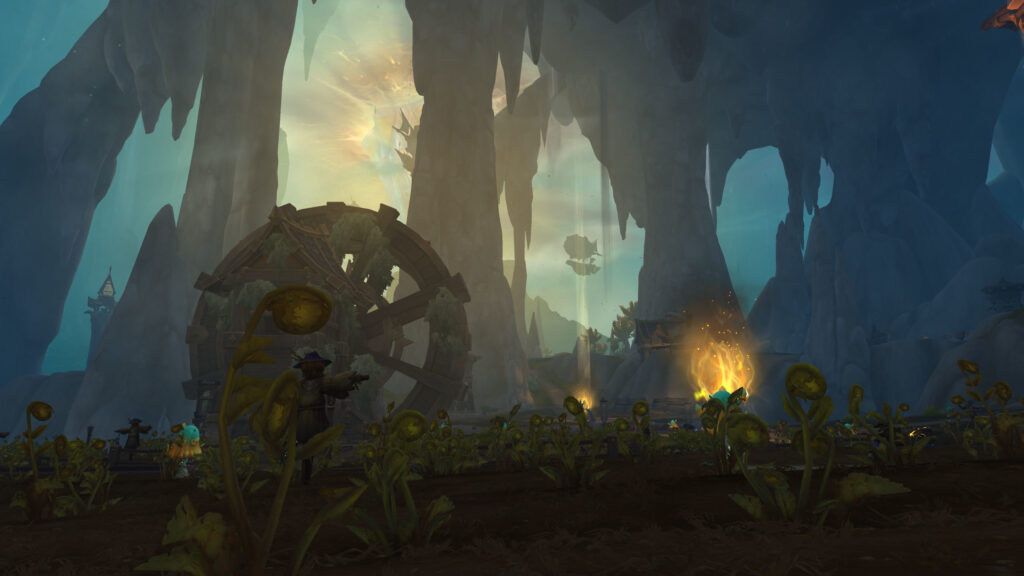
The Low Moment: When WoW Needed More Than a Patch
There were expansions and patches when player sentiment turned sour. Content felt repetitive, systems felt broken, and new players often found the community unwelcoming. One forum post captures the tone bluntly:
“Wow community became the worst for newbies … The game almost un-playable without add-ons and wowhead.” :contentReference[oaicite:1]{index=1}
At the same time, the official narrative was struggling: trust in the game’s direction wavered, social media buzz dropped, and long-time players began leaving. In that vacuum, creators stepped in—not simply to fill content, but to rebuild connection.
The Rise of the Creator Ecosystem in WoW
Video guides, live streams, podcasts, and forums became more than entertainment—they became pillars of community. Creators documented patches, deciphered mechanics, teased lore, and built shared rituals around the game’s world. They gave players reasons to still log in, even when the game felt stale.
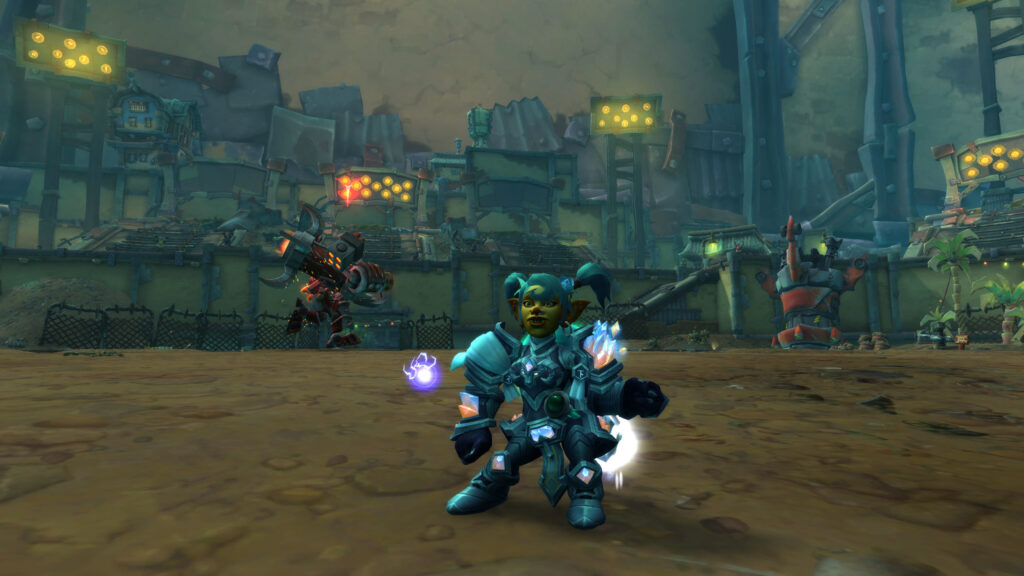
Notable names like Asmongold—whose channel was built on WoW commentary—help illustrate the influence. :contentReference[oaicite:3]{index=3} Meanwhile, organisations such as One True King formed around WoW culture, amplifying the creator effect. :contentReference[oaicite:5]{index=5}
Creators as Content Amplifiers
While the developers provided the game world, creators amplified every event: expansions, patches, community jokes, memes. When content delays happened, creators pivoted—streaming legacy raids, organizing community quests, making lore deep-dives. They often turned what felt like downtime into social time.
For many returning players, the question wasn’t “is there new content?” but “what are the streamers doing tonight?” In that way, the creators kept the heartbeat of the community going strong, no matter the state of the official pipeline.
How Creators Rebuilt Trust and Engagement
Community creators helped rebuild player trust in several ways: transparency (showing behind-the-scenes or admitting frustrations), accessibility (explanatory guides for all levels), and ritual (weekly streams, challenges, lore discussions). They created psychological comfort: even if the game’s state wasn’t perfect, you still had your community.
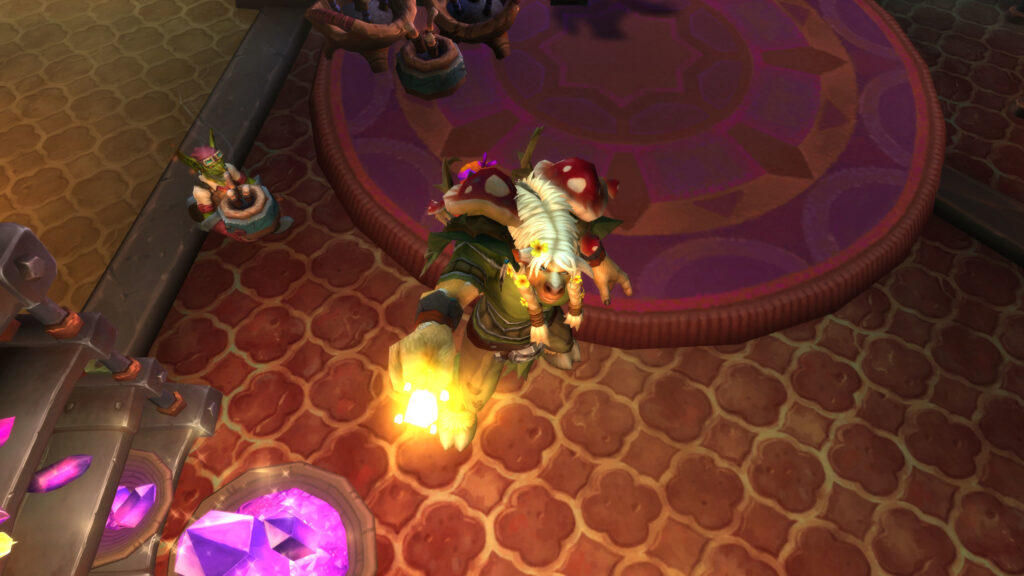
One useful way to view their impact is through player retention, engagement and social cohesion. The list below shows some of the roles creators played:
- Translator of complexity: Making patch notes, systems and meta accessible.
- Social anchor: Regular streams made “logging in” mean more than playing—it meant joining friends.
- Content filler: Guides, challenge runs, lore deep-dives filled the gaps between official content drops.
- Community builder: Forums, Discords and chats spun out of creator channels, enabling new player onboarding and veteran support.
Without these, many players might have drifted away entirely during content droughts.
Case Study: Solo Challenges, Carry-On Coverage and Community Momentum
A good example: when the solo challenge known as the Mage Tower (from the Legion era) returned, it wasn’t just the developers marketing it. Video creators posted full-class guides, streamed attempts, shared wipe counts and strategies. These videos boosted interest, built hype and created social pressure (in the good sense) to attempt the challenge—even if you were playing casual.
This interaction between creator and player base also meant that the content felt larger than the game itself: it became performance art, and people wanted to be part of it.
The Ongoing Role and Why It Still Matters
Even today, the community-creator ecosystem remains central to WoW’s vitality. With so many expansions, modes and platforms converging, creators act as curators: what’s worth playing this week? What broke? What’s fun? Their voice often reaches thousands or millions faster than patch notes ever do.
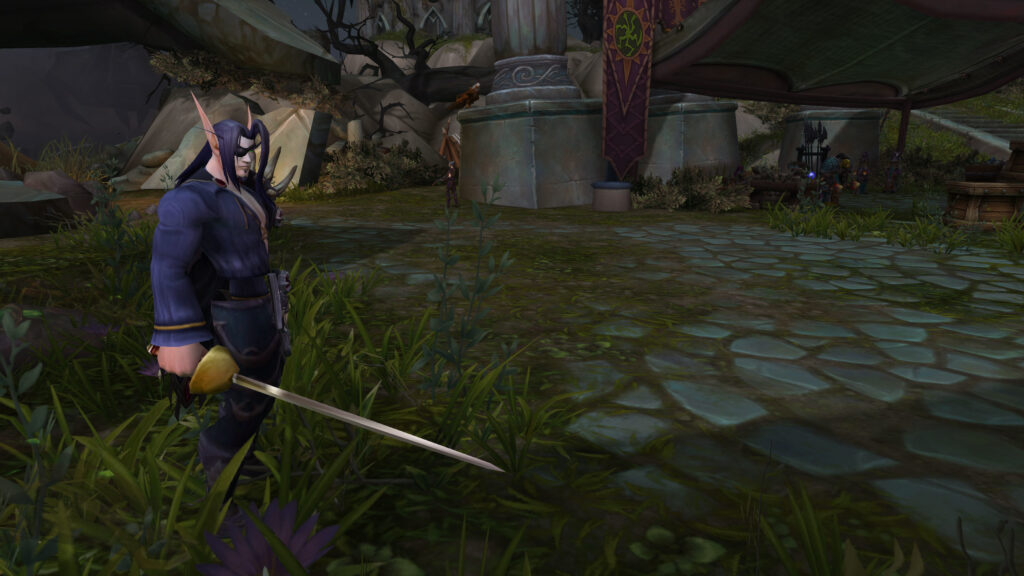
And culturally, they preserve memory. Memes, lore retrospectives, “what-if” discussions—they keep the past relevant and the future aspirational. When official announcements are thin, creators maintain interest, ensuring the game still feels alive even in quieter times.
Conclusion
It’s tempting to view WoW’s fortunes as driven purely by Blizzard’s roadmap. But in truth, the game’s community—its creators, streamers and fan-projects—have been a stabilising force. They carried the torch during lean years, kept players returning, kept stories alive and made the game feel bigger than its flaws.
In a sense, creators didn’t just save the game—they saved its spirit. And in the ever-shifting landscape of Azeroth, spirit may matter more than specs.
Leave a Reply